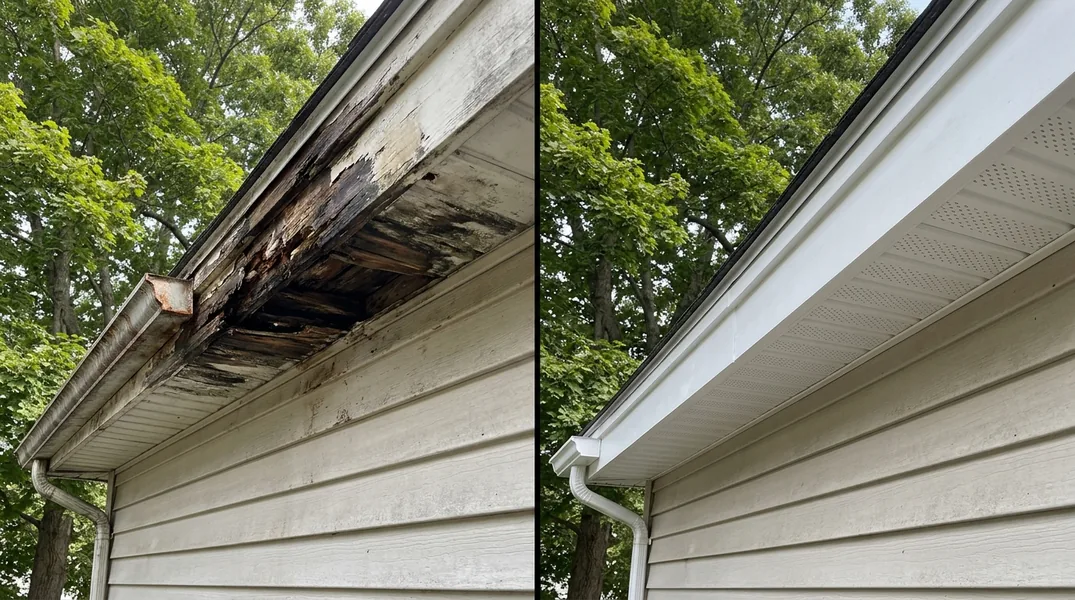
Why Triple-Decker Porches Are Vulnerable to Rot
Triple-decker homes are iconic in Worcester and throughout New England, but their distinctive stacked porches present specific challenges when it comes to wood preservation. These multi-level structures expose wood to constant weather exposure, with each deck level creating additional surfaces where water can collect, pool, and penetrate the wood fibers. Unlike single-story porches, triple-decker designs often feature complex flashing systems, multiple roof lines, and layered wood components that make water management exponentially more difficult.
The elevated height of triple-decker porches also means they experience more intense wind exposure and temperature fluctuations than ground-level structures. This constant cycling of wet and dry conditions, freeze and thaw cycles, and UV exposure creates an ideal environment for both Wood Rot & Dry Rot Repair issues. Many Worcester homeowners don't realize that a small leak or failed flashing on the upper deck can cascade down through multiple levels, causing hidden damage that only becomes apparent after significant structural compromise has occurred.
Signs Your Triple-Decker Porch Needs Repair
Early detection of porch damage can save thousands of dollars in repair costs. The most obvious signs include soft or spongy wood when you press on deck boards, railings, or support posts. If your finger leaves an indentation in the wood or you can easily push a screwdriver into what should be solid timber, you're likely dealing with active rot. Discoloration, paint peeling in isolated areas, or visible mold and mildew growth are also red flags that moisture is being trapped in the wood structure.
Look for gaps between boards, separation of flashing from the house, or sagging sections of the deck that weren't present before. Water staining on the underside of the upper deck (visible from the deck below) indicates that moisture is penetrating through. Creaking or movement when you walk on the porch is another warning sign, as rotted support members lose their structural integrity. In Worcester, where seasonal weather changes are dramatic, these problems can develop quickly. If you notice any of these issues, it's time to schedule a professional inspection rather than risk further deterioration or safety hazards.
Structural Components Most Affected in Triple-Decker Porches
The support structure of a triple-decker porch is complex, and different components fail at different rates depending on their exposure and material condition. The ledger board (the board that connects the porch to the house) is particularly vulnerable because it's the interface between the porch structure and your home's exterior wall. Water that gets behind the ledger board can penetrate into the rim joist and band board, causing damage that extends into your home's structural frame. The support posts and beams that carry the weight of multiple deck levels are also critical; if these fail, the entire porch becomes unsafe.
The deck boards and joists represent another major concern. Joists are especially problematic because they're often hidden from view and can rot internally while appearing sound on the surface. Floor Joist & Subfloor Repair work on triple-deckers frequently involves replacing multiple joists across multiple levels, which is why professional assessment is essential. Stairs and railings, which receive heavy foot traffic and constant weather exposure, also deteriorate quickly. The good news is that experienced contractors can often repair these components without requiring a complete porch rebuild, though early intervention is key to keeping costs manageable.
Triple-Decker Porch Repair Options: Partial vs. Full Replacement
When damage is caught early and limited to specific components, partial repair is often possible and significantly more affordable than complete reconstruction. Rotted deck boards can be replaced individually or in sections, compromised joists can be sistered (reinforced with new lumber alongside the existing member) or replaced, and ledger board issues can be addressed by removing the damaged section and installing new flashing and fastening systems. Support posts and beams can sometimes be reinforced with steel brackets or replaced in place, depending on the extent of damage and the structural requirements.
However, when rot has spread extensively through multiple levels, when the ledger board connection is severely compromised, or when support members are failing, a full or partial porch rebuild may be the safer and more cost-effective long-term solution. This is where professional evaluation becomes critical. Worcester Carpentry can assess whether your triple-decker porch can be salvaged through targeted repairs or whether reconstruction is the better investment. Sometimes what appears to be a simple repair job masks deeper structural issues that only become visible once the work begins, which is why getting a thorough free estimate from experienced contractors is essential before committing to a repair plan.
Maintenance Tips to Prevent Future Porch Damage
Prevention is always more cost-effective than repair. For triple-decker porch owners, establishing a regular maintenance routine is essential. Inspect your porch at least twice per year, particularly in spring after winter weather and in fall before cold season arrives. Clear debris from all deck surfaces and gutters, as standing water and leaf buildup accelerate rot development. Check that all flashing is secure and properly sealed, especially where the porch connects to the house and where different roof lines meet. Any gaps or separation should be resealed immediately with marine-grade caulk.
Apply a protective stain or sealant to exposed wood every two to three years, or as recommended by the product manufacturer. This creates a water-resistant barrier that slows moisture penetration. Keep gutters and downspouts clean and functioning properly so water is directed away from the porch structure. If you notice any soft spots, discoloration, or other warning signs, address them promptly rather than waiting for the problem to worsen. Many homeowners in Worcester find that a modest investment in preventive maintenance saves thousands in repair costs down the road. If you're unsure about what maintenance your specific porch needs, contact Worcester Carpentry at (978) 440-1508 for professional guidance.
When to Call a Professional for Triple-Decker Porch Repair Near Me
While minor maintenance is something homeowners can handle, structural repairs to a triple-decker porch require professional expertise. If you've identified any signs of rot, structural movement, or water damage, it's time to call in experienced contractors. Attempting to repair rotted support structures yourself is not only dangerous (a collapsing porch can cause serious injury) but also likely to result in code violations that will create problems when you sell your home or file insurance claims. Professional contractors understand local building codes, structural engineering principles, and proper repair techniques that ensure your porch is safe and compliant.
Worcester Carpentry specializes in triple-decker porch repair and understands the unique challenges these structures present in the Worcester area. We can provide a comprehensive assessment, detailed repair recommendations, and transparent pricing so you understand exactly what work is needed and what it will cost. Whether your porch needs targeted repairs or complete reconstruction, professional guidance ensures the job is done right the first time. Reach out today at (978) 440-1508 or visit our website to schedule your free estimate and get your triple-decker porch back in safe, sound condition.
Looking for a professional carpentry contractor in Worcester? Worcester Carpentry responds fast for all your carpentry needs.
Get a Free QuoteOur services: Wood Rot & Dry Rot Repair · Termite Damage Repair · Floor Joist & Subfloor Repair