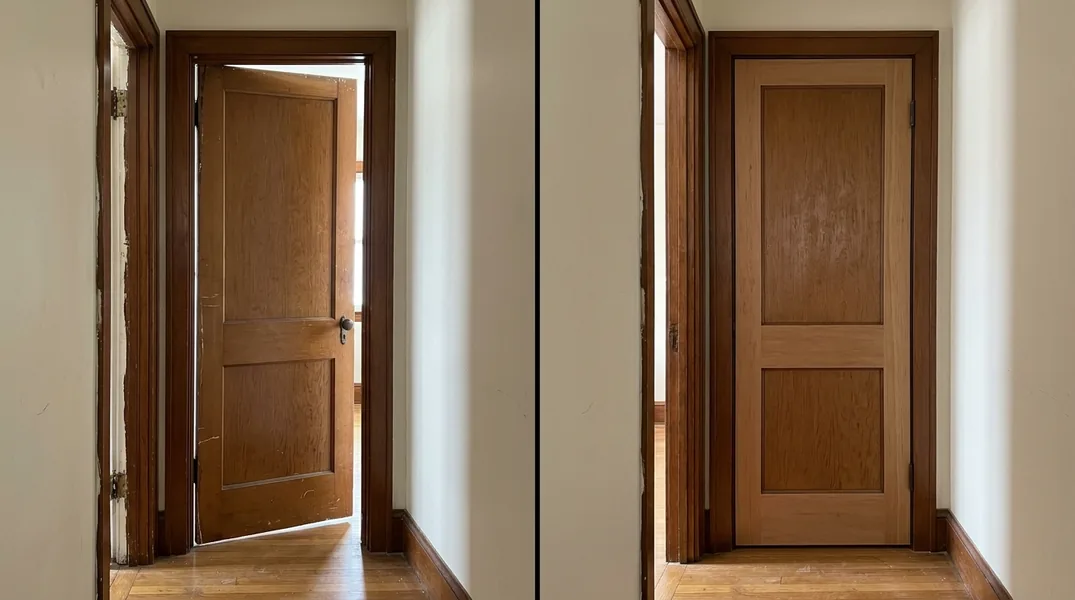
Why Lead Paint Matters in Worcester's Historic Homes
If your home in Worcester was built before 1978, there's a strong chance that the trim, windows, doors, and other painted surfaces contain lead. Lead paint was banned by the EPA in 1978, but millions of homes across Massachusetts and the Northeast still have it. The problem isn't just cosmetic or historical; lead dust poses serious health risks, especially to children under six and pregnant women. Even small amounts of lead exposure can affect brain development and cause learning difficulties.
Worcester's housing stock includes many beautiful Victorian and early-20th-century homes with original trim work. While that craftsmanship is admirable, the paint that covers it may be hazardous. When you sand, scrape, or disturb lead paint during renovation, repair, or removal work, you release toxic dust into your home and yard. This is why working with a certified, lead-safe contractor matters. The Massachusetts lead law and EPA regulations require specific protocols to protect your family and your home during any work that disturbs lead paint.
Understanding the Massachusetts Lead Law and EPA RRP Rule
Massachusetts has some of the strictest lead regulations in the nation. The state's lead law applies to any rental property built before 1978, but even owner-occupied homes benefit from understanding these standards. The EPA's Renovation, Repair, and Painting (RRP) Rule requires that any contractor disturbing more than a certain square footage of lead paint must be EPA RRP certified. This includes work on trim, windows, doors, and other painted surfaces in homes built before 1978.
An EPA RRP contractor has completed training and certification to safely contain, remove, and dispose of lead paint waste. They use specialized techniques like wet sanding, HEPA-filtered equipment, and proper containment to prevent lead dust from spreading. They also follow strict cleanup protocols and waste disposal procedures. When you hire Worcester Carpentry for trim work or repairs in an older home, you're getting contractors who understand these requirements and know how to protect your family. If you're planning any carpentry work on pre-1978 trim, always verify that your contractor holds current EPA RRP certification.
Lead-Safe Trim Removal and Repair Techniques
Lead-safe carpentry isn't just about following rules; it's about using proven methods to minimize exposure during the work itself. When removing or repairing trim that contains lead paint, contractors must use containment barriers, wet methods rather than dry sanding, and continuous vacuuming with HEPA filtration. Dry sanding is prohibited in lead-safe work because it creates an aerosol of toxic particles. Instead, professionals wet the surface, use hand tools or low-speed equipment with wet methods, and capture dust as it's created.
If your Worcester home has damaged or deteriorating trim that needs replacement, lead-safe removal is essential. The process involves setting up plastic sheeting to isolate the work area, keeping the trim wet during removal, and using a HEPA vacuum to capture any dust. Once the old trim is removed, it's treated as hazardous waste and disposed of according to EPA guidelines. New trim can then be installed safely. This approach takes longer than standard carpentry, but the protection it provides to your family is invaluable. If you're uncertain whether your trim contains lead or how to proceed safely, contact Worcester Carpentry for a professional assessment.
When Lead Paint Meets Wood Rot: A Double Challenge
Old trim in Worcester homes often faces a compounded problem: lead paint on wood that's also rotting or damaged. This creates a unique challenge because you must address both the lead hazard and the structural integrity of the wood. Wood Rot & Dry Rot Repair in homes with lead paint requires careful planning and coordination. You can't simply scrape away rotted wood and repaint without managing the lead paint safely first.
When rot is present, the damaged section typically needs to be removed entirely and replaced. This means the lead paint must be managed as part of the removal process. A lead-safe contractor will contain the area, remove the rotted trim using wet methods and HEPA filtration, dispose of it as hazardous waste, and then install new, unpainted wood that can be finished safely. This approach prevents lead dust from contaminating your home while also eliminating the rot and restoring the structural integrity of your trim. If you notice soft, discolored, or peeling trim in your older home, don't delay. Contact Worcester Carpentry at (978) 440-1508 to have it evaluated before the damage worsens.
Protecting Your Family During Lead Paint Work
Beyond hiring a certified EPA RRP contractor, there are steps you can take to protect your family during lead paint removal and trim repair. Ask your contractor to provide a detailed work plan that outlines containment measures, daily cleanup procedures, and waste disposal. Understand that lead-safe work takes time and costs more than standard carpentry, but this investment directly protects your children's health and your home's safety. During the work, keep family members, especially young children and pets, away from the work area. Ask about air quality testing and post-work clearance procedures to verify that lead dust has been properly contained and cleaned up.
Education is also key. The EPA and state of Massachusetts provide resources on lead paint hazards and safe practices. If you're planning renovations or repairs in a pre-1978 home, take time to understand the regulations and your contractor's qualifications. A reputable lead-safe contractor will welcome your questions and provide clear documentation of their EPA RRP certification and insurance. When you're ready to move forward with trim work, repairs, or Wood Rot & Dry Rot Repair in an older home, ask us how we contain dust and clean up on pre-1978 trim. Call (978) 440-1508 or visit our website for a free estimate.
Why Choose a Certified Lead-Safe Contractor in Worcester
Choosing the right contractor for lead paint work is one of the most important decisions you'll make as a homeowner. A certified EPA RRP contractor has invested time and money in training and maintains their certification through continuing education. They carry liability insurance that covers lead-related work, and they understand the specific requirements of Massachusetts lead law. They also have the proper equipment, containment materials, and disposal procedures in place. When you work with Worcester Carpentry, you're working with professionals who take lead safety seriously and have built their reputation on protecting Worcester families.
Don't be tempted to hire an unlicensed contractor to save money on lead paint work. The risks far outweigh any short-term savings. Improper lead paint handling can result in contamination of your home, legal liability, and serious health consequences. Worcester Carpentry stands behind its work with quality craftsmanship and a commitment to your family's safety. Whether you need trim replacement, repair of rotted woodwork, or any other carpentry service in an older home, we follow lead-safe protocols and EPA guidelines every time. Reach out to us today at (978) 440-1508 to discuss your project and learn how we can help.
Looking for a professional carpentry contractor in Worcester? Worcester Carpentry responds fast for all your carpentry needs.
Get a Free QuoteOur services: Wood Rot & Dry Rot Repair · Termite Damage Repair · Floor Joist & Subfloor Repair